
Investing in Sicily: what the numbers and the rules say
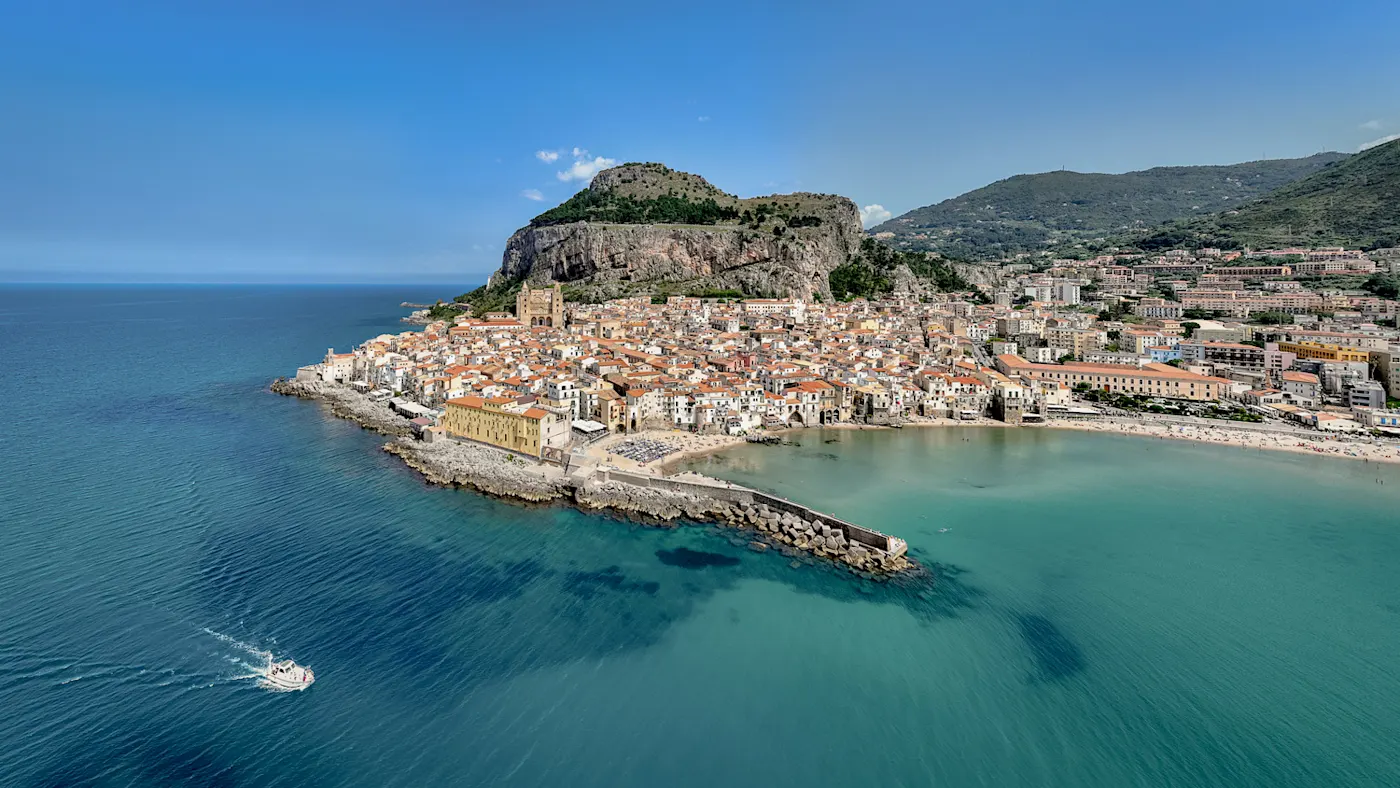
Sicily attracts buyers with low entry prices and a long coastline of towns that have been quiet for decades. The pitch is easy to hear and harder to price properly. Purchase taxes, renovation budgets and residency rules decide whether the deal works. The official figures give you a starting point, so begin there.
Eurostat recorded Italian house prices up 5.2 per cent in the year to the first quarter of 2026. Prices also rose 1.0 per cent against the previous quarter. Istat reports the same annual figure and adds a detail worth noting. Residential sales volumes climbed 4.4 per cent year on year. The quarter before had managed only 0.4 per cent. Buyers are moving again, and Sicilian sellers know it.
What your money buys, and what it costs to keep
Low asking prices come with a tax bill that follows a fixed formula. Buying without first-home relief means registration tax at 9 per cent of the cadastral value. Fixed mortgage and cadastral taxes of 50 euro each sit on top. If you borrow over 18 months, the substitute tax is 2 per cent of the mortgage amount. First-home rules bring that down to 0.25 per cent.
Most of what trades in Italy is existing stock rather than new build. Istat puts existing dwellings at 86.91 per cent of the market weighting for 2026. In Sicily that means older buildings, and older buildings hide costs behind their walls. Renovation quotes move fast once scaffolding goes up, and permits in historic centres take time. Budget for the years after the deed, not only the day of it.
The 7 per cent tax regime, and who qualifies for it
Italy's optional regime for foreign pensioners is the strongest tax argument for Sicily. Under article 24-ter of the Italian tax code, qualifying retirees pay 7 per cent on all foreign income. The rate applies as a substitute tax for nine tax periods. You must transfer your tax residence to a municipality in Sicily or another southern region. The population ceiling is 30,000 inhabitants, raised from 20,000 on 7 April 2026.
You also need five tax periods of non-residence in Italy before the option takes effect. Your previous country must hold an administrative cooperation agreement with Italy. The option is exercised in the tax return for the year you move your residence. Palermo and Catania sit well above the population limit, so the benefit points you toward smaller towns. This is a relocation decision, not a way to hold a holiday home from abroad.
Where demand sits, and where it does not
Sicily is large, and its property market is not one market. Demand concentrates in a handful of coastal towns, baroque centres in the south east and the areas around Etna. Move twenty minutes inland and buyer interest thins out quickly. Short-let income follows the same map, and much of it arrives with the summer season. A rental projection built on August rates will not survive November. Check the booking calendar for the street you are buying on, not the region.
Practical checks before you sign
A notary handles the transfer, and you choose which notary to use. Have them check the cadastral records against what is physically there. Unregistered extensions are common in older Sicilian homes. Ask for the certificate of habitability and the planning history before any deposit changes hands. Confirm whether the seller is a private individual or a company, since that decides the tax route. Get a builder to price the work before the preliminary contract, not after. These checks cost little and they save the deals that would otherwise go wrong.
Conclusion
Sicily rewards buyers who treat it as a project rather than a bargain hunt. Prices are rising across Italy, volumes are recovering, and the pensioner tax regime is one of the most generous in Europe. The conditions attached to it are strict, and the running costs of an old building are real. Do the tax maths and the renovation maths before you fall for the view. Tell us what you are considering and we will help you pressure test the figures.
Sources
Agenzia delle Entrate. (2026). Regime opzionale per i pensionati esteri: Che cos'è. https://www.agenziaentrate.gov.it/portale/schede/agevolazioni/regime-opzionale-per-i-pensionati-esteri-che-cose-cittadini
Agenzia delle Entrate. (2026). Acquisto prima casa: Che cos'è. https://www.agenziaentrate.gov.it/portale/schede/agevolazioni/scheda-acquisto-prima-casa/infogen-agevolazioni-acquisto-prima-casa
Consiglio Nazionale del Notariato. (n.d.). Real estate: Taxation. https://www.notariato.it/en/casa/taxation/
Eurostat. (2026, July 2). House prices up by 4.7% in the euro area. https://ec.europa.eu/eurostat/web/products-euro-indicators/w/2-02072026-bp
Istat. (2026, June 19). House prices (provisional): Q1 2026. https://www.istat.it/en/press-release/house-prices-provisional-q1-2026/